
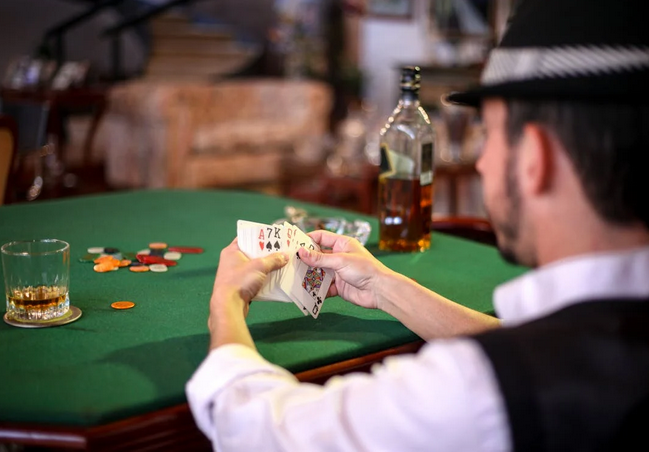
If you’ve ever watched someone swear a slot machine was “hot” or insist they were due for a win, you’ve seen how quickly randomness can feel personal. Gambling environments are built on math, but they’re experienced through emotion. The gap between those two is where the mirage appears: the feeling that luck has a personality, memory, or opinion about you. Understanding why this happens doesn’t ruin the magic; it explains why the magic feels so convincing in the first place.
Randomness Doesn’t Feel Random
One reason luck feels personal is that true randomness doesn’t match human expectations. We expect random outcomes to “even out” quickly, but probability doesn’t work that way. Each goodslots spin, roll, or card draw is independent, even if platforms present them in smooth, story-like sequences that encourage pattern-spotting. When results cluster, our brains read meaning into them, assuming cause where there’s only coincidence.
The Brain Is a Pattern Machine
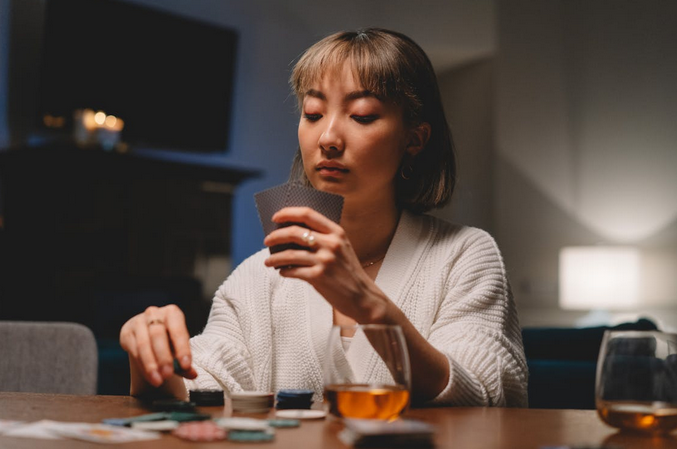
Human brains evolved to find patterns because doing so once kept our ancestors alive. In gambling, that same skill misfires. A streak of near-misses or repeated symbols triggers the sense that something is unfolding. Even though the math hasn’t changed, the brain fills in a narrative: “I’m getting closer” or “This machine likes me.” The pattern feels real, even when the numbers say otherwise.
Near-Misses Feel So Powerful
Near-misses deserve special attention because they activate motivation more than clear losses do. From a mathematical standpoint, a near-miss is identical to any other loss. Psychologically, it feels like progress. Game designers know this, and while the underlying odds remain fixed, the presentation amplifies emotional response. That emotional boost makes luck feel interactive, as if it’s responding to your persistence.
Personal Stories Beat Statistical Truth
Ask someone about gambling, and they’ll tell you stories, not statistics. “I always win on Fridays” or “That machine never pays me” are narratives built from selective memory. Wins stand out; losses blur together. Over time, these stories harden into beliefs. The math never supported them, but personal experience feels more trustworthy than abstract probability.
Control, Choice, and Illusion Really Influence the Flow
Many games offer small choices: when to stop, how much to bet, which option to pick. These decisions create a sense of control, even when outcomes are still governed by chance. Once a choice is involved, results feel earned or denied rather than random. That’s when luck starts to feel judgmental, as if it’s rewarding or punishing behavior.
Luck feels personal in gambling because the human mind is wired to personalize uncertainty. Math operates quietly in the background, while emotions take center stage. By recognizing how probability, perception, and storytelling interact, the mirage becomes clearer. You don’t lose the wonder; you gain perspective. And sometimes, understanding why luck feels personal is the surest way to keep it from feeling personal at all.








 The first thing you need to do to get better at online bingo is to understand the game and all its features. That means, you should know what’s up for grabs in each round. How many balls are there? What are the winning patterns? Is there a bonus ball? And so on. Once you grasp how the game works, you can start focusing on your strategy. But knowing the game is not enough. You also need to understand the different types of bingo games available online. For instance, there’s the 75-ball bingo and the 90-ball bingo.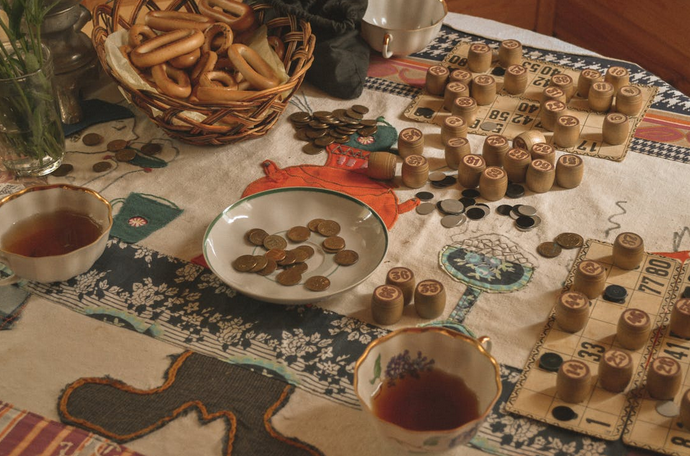
 Online bingo is not just about playing the game and trying to win. It’s also about socializing and making new friends. Fortunately, most bingo sites have chat rooms where you can interact with other players. Use these chat rooms to exchange tips and tricks. You can also use them to ask for advice from more experienced players. Who knows, you might even end up making some lifelong friends.
 Before registering for any game, different online casino owners offer incentives such as sign-up bonuses. Bonuses are mainly a way to attract more customers to enroll in their online casinos. Sometimes, you may find a very enticing bonus, but it may cost you in the end.
 You might catch on a game with a theme that you love, or you are familiar with how it is played. However, it might not be wise to choose the given game.