

Table limits are more than simple restrictions on how much a player can wager. They help define the structure of an online casino game by establishing the range of permitted stakes, shaping the types of tables available, and influencing how different versions are presented. A game with several limit options can accommodate varied playing preferences while maintaining the same underlying rules and mechanics. Platforms such as Diwa Win operate in a digital environment where these settings help organize familiar casino experiences into distinct formats. Looking at table limits reveals how seemingly small configuration choices affect game accessibility, platform design, and the overall structure of online casino offerings.
What Table Limits Actually Control
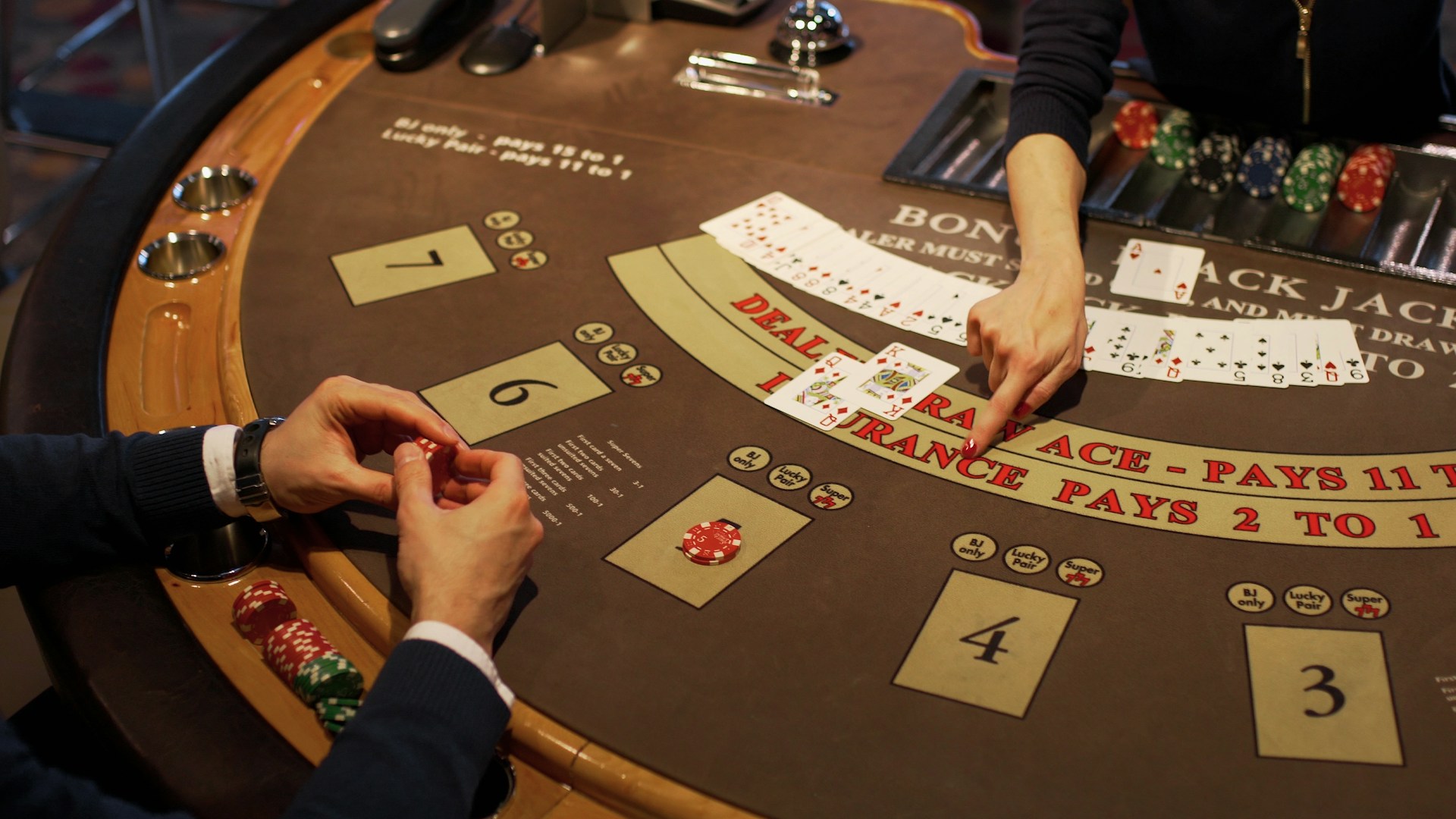
A table limit is a range expressed as a minimum and a maximum wager permitted on a given bet. The minimum sets the entry point, ensuring that the stakes are meaningful relative to the cost of operating the table. The maximum caps exposure, protecting the operator from a single player winning an amount the game’s financial model cannot comfortably absorb. In online play, the same game may be offered at several limit tiers, with identical rules but different minimums and maximums. A low-limit table and a high-limit table may look the same on screen, but they serve different audiences and carry different risk profiles for both the player and the operator.
How Limits Shape Game Mathematics
Limits interact directly with a game’s payout structure. Games often advertise large maximum payouts, and those figures are only achievable when the bet size and the limit allow it. A slot with a huge top prize may require a bet at or near the table maximum to qualify for the full amount, which means the advertised jackpot is effectively tied to the upper limit. In table games, the ratio between the minimum and maximum bet affects how freely a player can vary stakes, and some betting systems depend on that flexibility. Limits also influence the volatility players experience. A high maximum allows aggressive betting that produces rapid swings, while a low maximum constrains the pace at which a bankroll can change, making the same game feel steadier at one table than another.
Why Operators Set Limits Where They Do
Operators choose limits to balance several competing pressures. The maximum must be low enough that a lucky streak cannot threaten the operator’s finances, yet high enough to attract players seeking substantial stakes. The minimum must cover the cost of running the table and discourage casual visitors from occupying seats without meaningful play, while remaining accessible to the audience the operator wants to reach. Regulatory requirements also play a part, since jurisdictions may impose their own caps or require responsible gambling measures that influence how limits are set. Competition matters as well, because a casino that offers a wider range of limit tiers can serve more types of players without forcing them to change games. Because these factors vary by operator and jurisdiction, the limits shown on any specific table reflect local rules and business decisions rather than a universal standard.
Table limits influence online casino games far beyond the numbers displayed at the table. They shape game mathematics, determine who can play and at what stakes, and reflect a balance of operator risk, regulatory requirements, and player demand. Players who understand what a limit range controls can choose tables that fit their budget and expectations, and can read a game’s advertised prizes with a clearer sense of what is realistically attainable.